


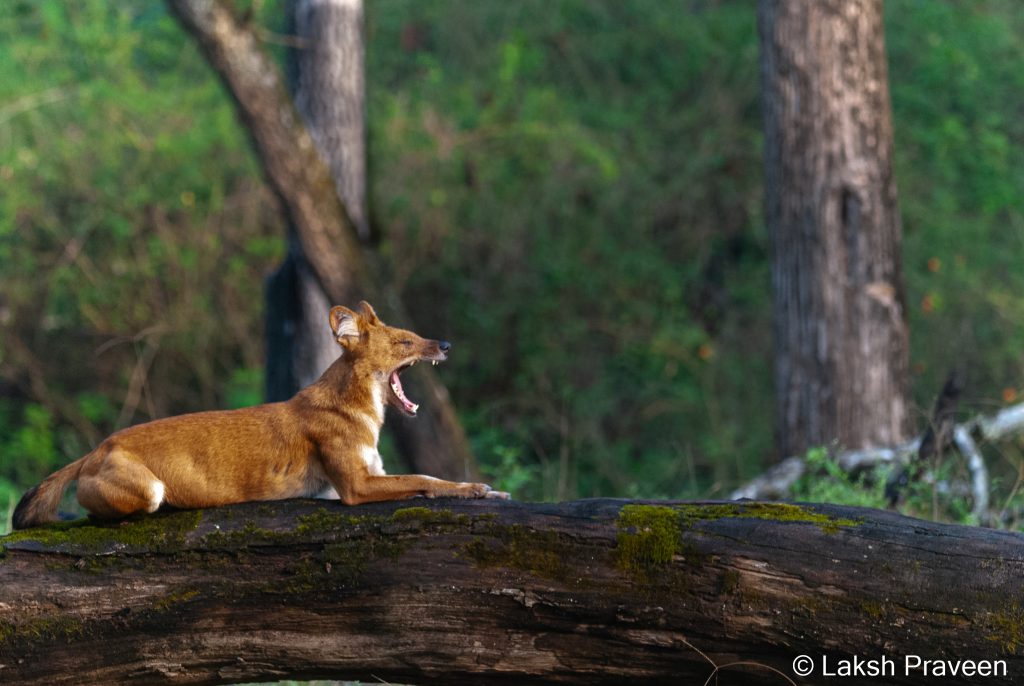
Every year, the United Nations celebrates World Wildlife Day (March 3, 2024). Today, we recognize and acknowledge the invaluable contributions of wild animals and plants to our planet. The theme for 2024 is “Connecting People and Planet: Exploring Digital Innovation in Wildlife Conservation,” shedding light on the intersection of technology and wildlife sustainability. With an estimated 7.8 million animal species and 298,000 plants, WWD explores how technology and digital spaces can drive conservation and sustainability forward.
Ahead, check out the various ways you can participate and support positive change.
Celebrating World Wildlife Day in 2024 gives a fantastic opportunity to raise awareness about the significance of wildlife conservation and biodiversity. Here are some ideas for how you can celebrate and contribute to the cause:
Educational Events:
- Organize workshops, seminars, or webinars to educate people about the significance of wildlife conservation.
- Collaborate with local experts, conservationists, or wildlife organizations to share insights and information.
- It would help if you educated yourself about endangered species. This will provide you with a better understanding of the challenges they face and will raise public awareness of the issue. By doing so, you will be able to appreciate the interconnectedness of our ecosystem and be motivated to take action to protect these species. Don’t delay – take action now to make a difference.
Take part in the United Nations WWD 2024 event.
Engage in the global conversation by using #WorldWildlifeDay and tagging @worldwildlifeday on Instagram and Facebook to share with others what you’re doing to conserve and celebrate nature and wildlife.
- Additionally, don’t miss the main event’s live stream, featuring speakers from Wildlabs, Jackson Wild, and the International Fund for Animal Welfare, as well as multimedia performances and presentations highlighting the latest conservation technologies.
Documentary Screenings:
- Host screenings of wildlife documentaries highlighting the beauty of different ecosystems and their challenges.
- Facilitate discussions afterward to encourage awareness and understanding.
Nature Walks and Tours:
- Organize guided nature walks or wildlife tours in local parks or natural reserves.
- Engage participants in discussions about local flora and fauna. Moreover, tell them the importance of preserving natural habitats.
Art and Photography Exhibitions:
- Arrange art exhibitions featuring wildlife-themed paintings, photographs, or sculptures.
- Encourage local artists to contribute their work to raise awareness and appreciation for wildlife.
Tree Planting Events:
- Conduct tree planting activities to contribute to habitat restoration.
- Educate participants about the connection between healthy ecosystems and wildlife conservation.
Wildlife Photography Contests:
- Organize a photography contest focused on wildlife and natural landscapes.
- Showcase the winning entries in local galleries or online platforms to reach a broader audience.
Social Media Campaigns:
- Launch social media campaigns using dedicated hashtags to share facts about wildlife conservation.
- Encourage followers to share their experiences, photos, knowledge about local wildlife.
Volunteer Opportunities:
- Collaborate with local conservation organizations to offer volunteer opportunities.
- Organize cleanup events in natural areas to help maintain a healthy environment for wildlife.
Consider volunteering at a botanical garden or national park to dedicate your time to a good cause. Botanical gardens offer a chance to help improve local gardens, lead school programs, and assist with educational programs. At the same time, national parks provide diverse opportunities, such as leading academic programs, maintaining or rebuilding trails, and educating others about the parks. You can find a park near you to get started. Remember, donating is not the only way to help.
School Programs:
- Partner with schools to incorporate wildlife conservation themes into the curriculum.
- Arrange guest speakers or interactive sessions to engage students in learning about local wildlife.
Local Business Partnerships:
- Collaborate with local businesses to raise funds for wildlife conservation.
- Consider donation drives or percentage-of-sales initiatives to support relevant organizations.
Public Art Installations:
- Create public art installations that draw attention to wildlife conservation.
- Install informational plaques or signs to educate passersby about the significance of the artwork.
Community Cleanups:
- Mobilize community members to participate in cleanups in natural areas, parks, or beaches.
- Emphasize the impact of reducing pollution on wildlife and ecosystems.
World Wildlife Day is not just a celebration but a time for collective action. By learning, donating, volunteering, or participating in online events, you can play a role in conserving wild species and their habitats. Remember to tailor these suggestions to your local context and consider the COVID-19 situation, ensuring that events and activities comply with safety guidelines. The goal is to inspire people to appreciate and actively contribute to conserving our planet’s diverse and precious wildlife.